Our Location
304 North Cardinal St.
Dorchester Center, MA 02124

304 North Cardinal St.
Dorchester Center, MA 02124

Our Story
PETWood was built on the observation that the hardest plastics to recycle were being discarded while the market for durable sustainable furniture was growing.
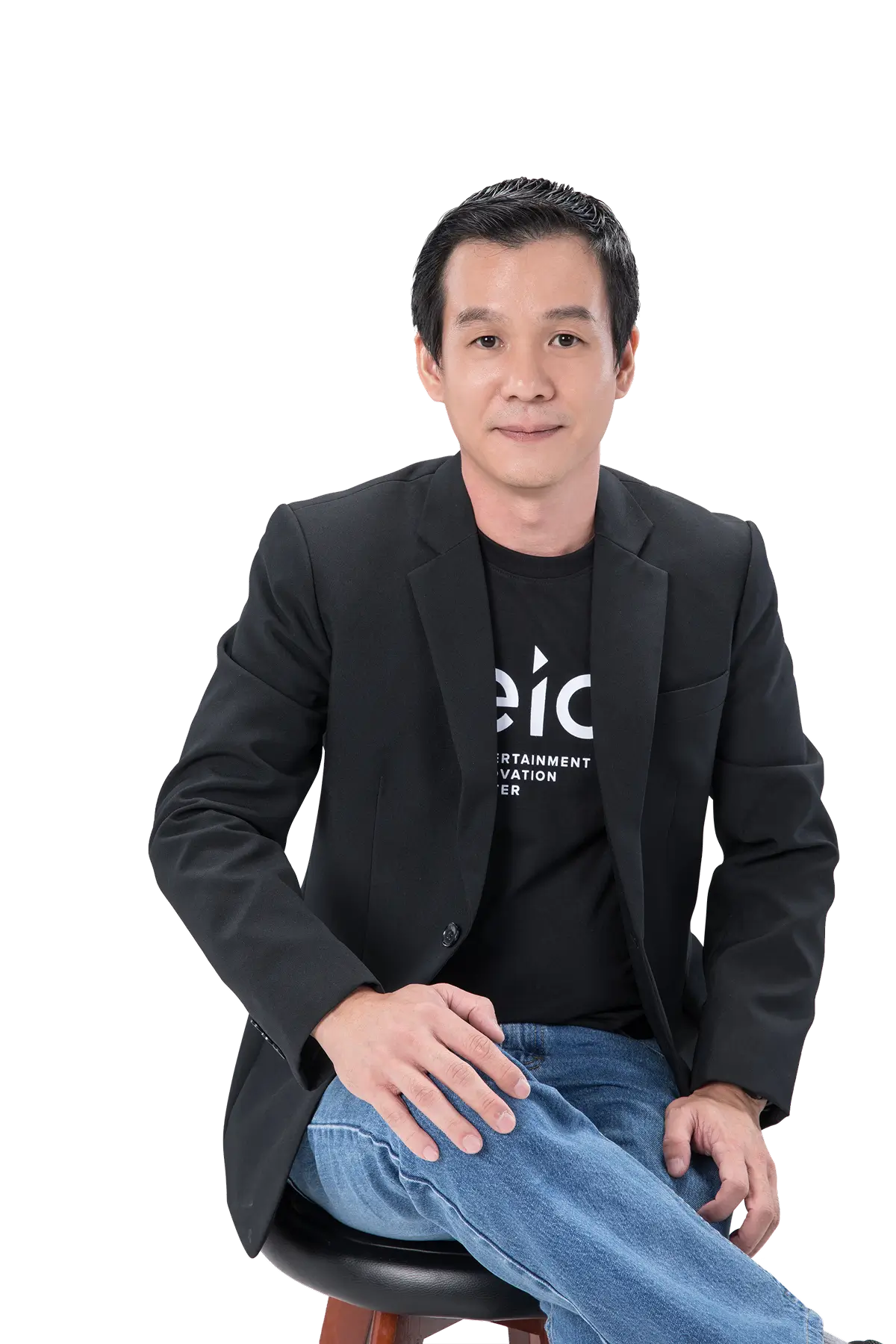
Founder
PETWood was founded by Jakarin Sirikulthorn after observing that coloured PET bottles, PLA cups, and multilayer packaging films — the plastics that conventional recyclers reject — were being burned or landfilled across Southeast Asia. PETWood builds on furniture-making expertise established in 1986 — the composite material and circular mission are new; the craft is not.
At the same time, the market for durable, ESG-certified commercial furniture was growing fast. Hotels, real estate developers, and corporates needed materials they could verify — not just greenwash. The gap was obvious.
The solution: a binder-free thermo-compression process that turns orphan plastic into furniture panels. Waterproof, termite-resistant, and three times longer-lasting than MDF. Every piece traceable from collector to client.
TECHNOLOGY
PETWood uses a compression molding process developed in partnership with the Plastics Institute of Thailand (สถาบันพลาสติก). Recycled PETG and palm fiber are layered and hot-pressed into a high-performance composite panel — no binders, no adhesives, no formaldehyde emissions. The result is a material that is 2.7× stronger than standard MDF, 6× more moisture-resistant, and fully weatherproof. Each panel is laboratory-tested to international standards.
01
Community waste pickers gather orphan plastic — coloured PET bottles, PLA cups, multilayer snack films — that conventional recyclers reject. Full traceability from picker to panel.
Partners: RecyCoex, Yolo, Wake Up Waste
02
Multi-layer thermo-compression technology fuses plastic without binders or adhesives. The result: a dense, stable composite panel that stores carbon rather than emitting it.
No binders · No adhesives · No formaldehyde
03
Panels are cut and finished into furniture that’s waterproof, termite-resistant, and weatherproof. Customisable dimensions and finishes for any commercial specification.
Waterproof · Termite-resistant · Weatherproof
PERFORMANCE CLAIMS
PETWood panels are made from a Laminate PETG/Palm fiber composite —
25% recycled PETG, 52% palm fiber, 23% recycled PET, pressed without binders or adhesives.
Flexural strength
108 MPa
Flexural modulus
6900 MPa
Impact strength
10 KJ/m²
Density
1200 kg/m³
Swelling in thickness
3%
Water immersion
6%
Cost per m²
82 THB/m²
THE PROCESS
The GEDSI program is built into the supply chain, not bolted on. Every purchase generates traceable income for women and youth waste collectors.

Community waste pickers gather orphan plastic types that conventional recyclers reject. PETWood pays 5–10 THB per kg — above market rate — with same-day payment.
The program prioritises women, youth, and people with disabilities as primary collectors. Gender-equitable, disability-inclusive, and verified through partner organisations.
30–35% of operating margin is reinvested into community programs. As PETWood scales, the community income compounds — it’s not charity, it’s the business model.
Community partner organisations
Plastic collection coordination, Bangkok
Youth engagement and employment programs
Community waste awareness and collection
Produced in partnership with the Plastics Institute of Thailand (สถาบันพลาสติก) — certified compression molding technology.
For investors
ESG procurement mandates, LEED growth, and green hotel certification expansion are creating durable demand for verified circular materials across Southeast Asia. PETWood is positioned at the intersection.
15,000+ Kg
Orphan plastic diverted
4
Named enterprise partners
35%
Net profit margin
340+
Furniture pieces placed